
In an effort to strengthen village institutional governance towards a more resilient, inclusive and empowered community, Arbeiter-Samariter -Bund South and South-East Asia (ASB S-SEA), together with the Ministry of Home Affairs (Kemendagri) and the Foreign Community Organisation Licensing Team (TPOA), conducted Monitoring and Evaluation (Monev) of the Village Institutional Governance Strengthening Programme in Sigi Regency, Central Sulawesi Province, from 13 to 17 October 2025.
This activity is part of the implementation of the ASB Master Plan (RIK) for the 2023–2026 period, which covers six provinces and 25 villages throughout Indonesia. The programme is implemented in collaboration with local partners such as the Sikola Mombine Foundation, the Bintari Foundation, JEMARI Sakato, and PALUMA Nusantara, with funding support from the Aktion Deutschland Hilft (ADH), the German Federal Foreign Office (GFFO), and the German Federal Ministry for Economic Cooperation and Development (BMZ).
During the five-day visit, the TPOA and Ministry of Home Affairs teams directly observed the implementation of activities in the field, held discussions with local governments and beneficiary communities, and listened to the achievements and lessons learned since the programme began in 2023.
Social and Economic Inclusion as the Core of the Programme
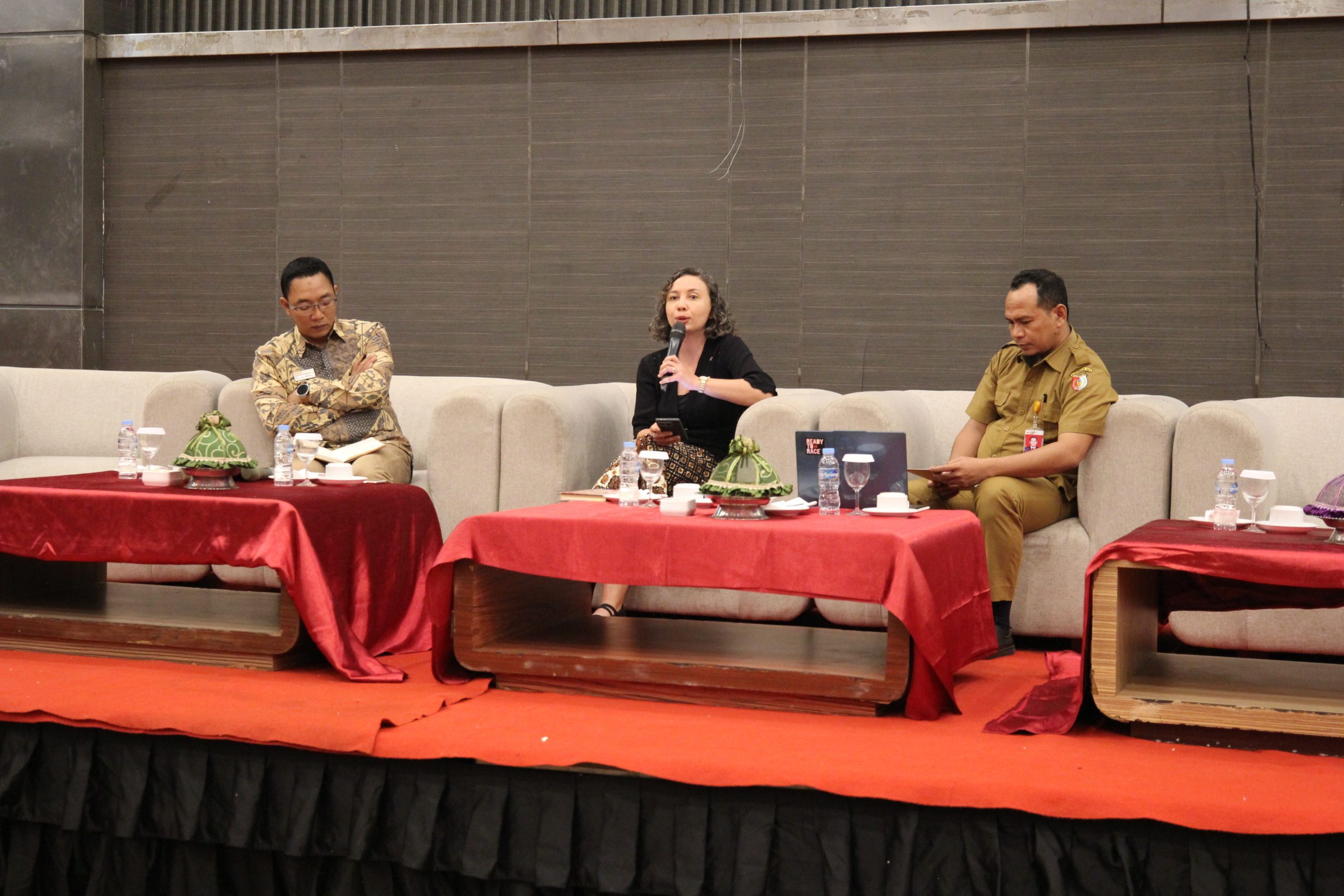
According to Chrysant Lily Kusumowardoyo, Regional Director of ASB S-SEA, this Monev visit was an important opportunity to demonstrate first-hand how the inclusive approach is being implemented in the field.
“The main point we want to show is how ASB, together with partners such as Sikola Mombine, builds resilience through inclusive socio-economic development,’ said Lily. ‘We want the Ministry of Home Affairs and TPOA teams to not only see written reports, but also talk directly with the community, people with disabilities, and village governments so that real change can be seen.”
ASB views inclusion not merely as a concept, but as a practice that must be present in every stage of village development—from planning and implementation to evaluation. Through training and mentoring, this programme strengthens the capacity of village governments, community institutions, and vulnerable groups to actively participate in disaster risk reduction, climate action, and economic welfare improvement.
“Since we first collaborated with the Ministry of Home Affairs in 2007, our mission has remained the same,” Lily continued. “ASB is here to support the Indonesian government in strengthening village institutional governance to build community resilience. If our operating permit is extended, we will continue to maintain this focus.”
Synergy with Local Government
From the local government’s perspective, the Pakagasi programme—the local name for the implementation of the ASB programme in Sigi Regency—is considered to be very helpful in accelerating inclusive development. Muhammad Jauhari, Head of the Economic Division of Bapperida Sigi District, believes that the collaboration between ASB, Sikola Mombine, and the local government has made a real contribution to the performance of the Sigi District Government.
“We designed the Pakagasi programme together and aligned it with local government programmes,” explained Jauhari. “For example, support for people with disabilities in the form of assistive devices, ID card registration, and business assistance for more than 500 participants. This has greatly helped to improve the community’s economy and reduce poverty rates in Sigi.”
In addition to the economic impact, the programme has also brought about changes in the regional development planning process.
“Pakagasi has helped us to incorporate issues of gender, disability, and social inclusion into the RPJMD. In this way, inclusiveness has become measurable and integrated into regional policies,” said Jauhari.
Regarding sustainability, the Sigi District Government is committed to continuing the good practices that have been initiated with ASB and local partners.
“We are committed to continuing our assistance to beneficiaries so that the results of the programme do not stop at the project stage,” he said. “With the support of regional officials and the leadership of the Regent, we want to ensure that this collaboration continues for a more inclusive community welfare.”
Appreciation and Notes from TPOA
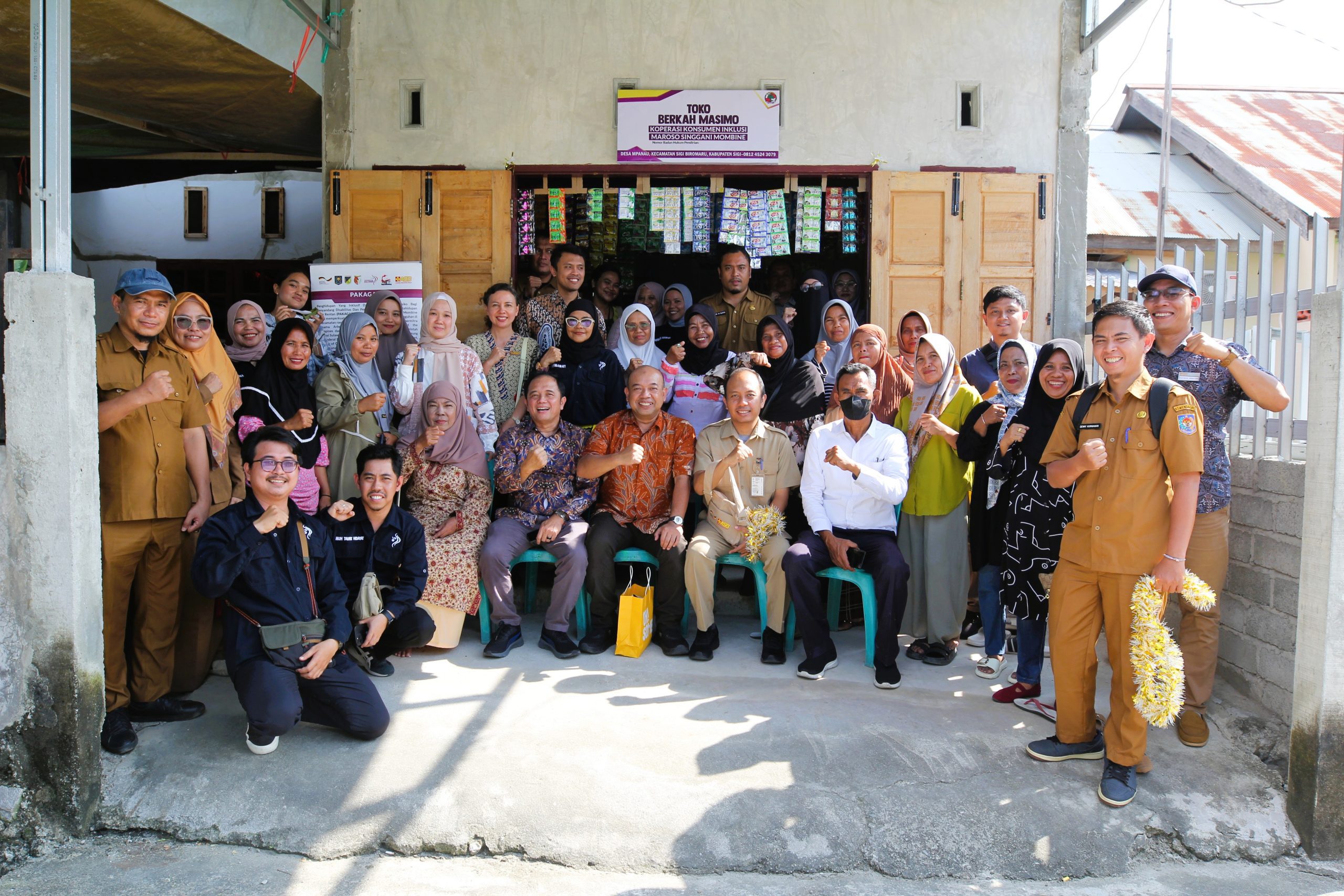
This monitoring and evaluation activity was also part of the supervision and evaluation mechanism for foreign organisations working in Indonesia. The chair of TPOA, Tolhah Ubaidi, expressed his positive impressions of the results achieved by ASB in the field.
“We greatly appreciate ASB’s work, which has had a real impact on the community,” said Tolhah after a day of presentations in Palu City and two days of field visits in Sigi Regency. “This programme promotes gender equality, strengthens the role of women, and directly involves the community. Those are the important points that we see.”
According to him, community involvement is the main strength of the ASB programme. The participatory approach makes residents feel that they own the programme and encourages them to be independent, for example through the development of MSMEs and awareness of climate change.
“The people in Sigi seem enthusiastic and feel the real benefits in their daily lives,” he added. “If there is anything to note, it is not a shortcoming, but a limitation in reach. In the future, it would be good if programmes like this could reach a wider area and be replicated in other regions.”
Tolhah also highlighted the importance of access to productive resources for the community.
“The community hopes for additional support, such as high-quality seeds or affordable business capital. That would strengthen the programme’s impact at the economic level,” he said.
Reflections and Hopes for the Future
The Monev activity in Sigi District was not only an administrative evaluation, but also a space for mutual learning between the central government, local government, and non-profit organisations. For ASB, this process emphasised the importance of transparency, accountability, and cross-sector collaboration in managing development programmes.
The approach applied by ASB shows that building village resilience is not just a matter of physical infrastructure, but also strengthening the social and economic capacity of the community, especially marginalised groups.
As a non-profit organisation, ASB S-SEA acts as a government partner that supports the achievement of national development goals, particularly in the areas of disaster risk reduction, climate change adaptation, and inclusive economic development.
With the results of this monitoring and evaluation, there are high hopes that the partnership between ASB and the Indonesian government will continue through the extension of the Memorandum of Understanding (MoU) for the 2027–2029 period. Through a partnership based on trust and shared enthusiasm, it is hoped that the programmes born of this collaboration will continue to provide tangible benefits to the community—from the villages, for the resilience of the nation.
