
In November 2025, Typhoon Tino (Kalmaegi) struck Cebu City, causing significant disruption to upland communities that were already geographically isolated due to rugged terrain and limited access. In response, A2D supported by ASB S-SEA, implemented Project Paglaum (Hope). This rapid emergency response initiative was designed to restore dignity, safety, and hope to some of the most at risk households affected by the disaster.
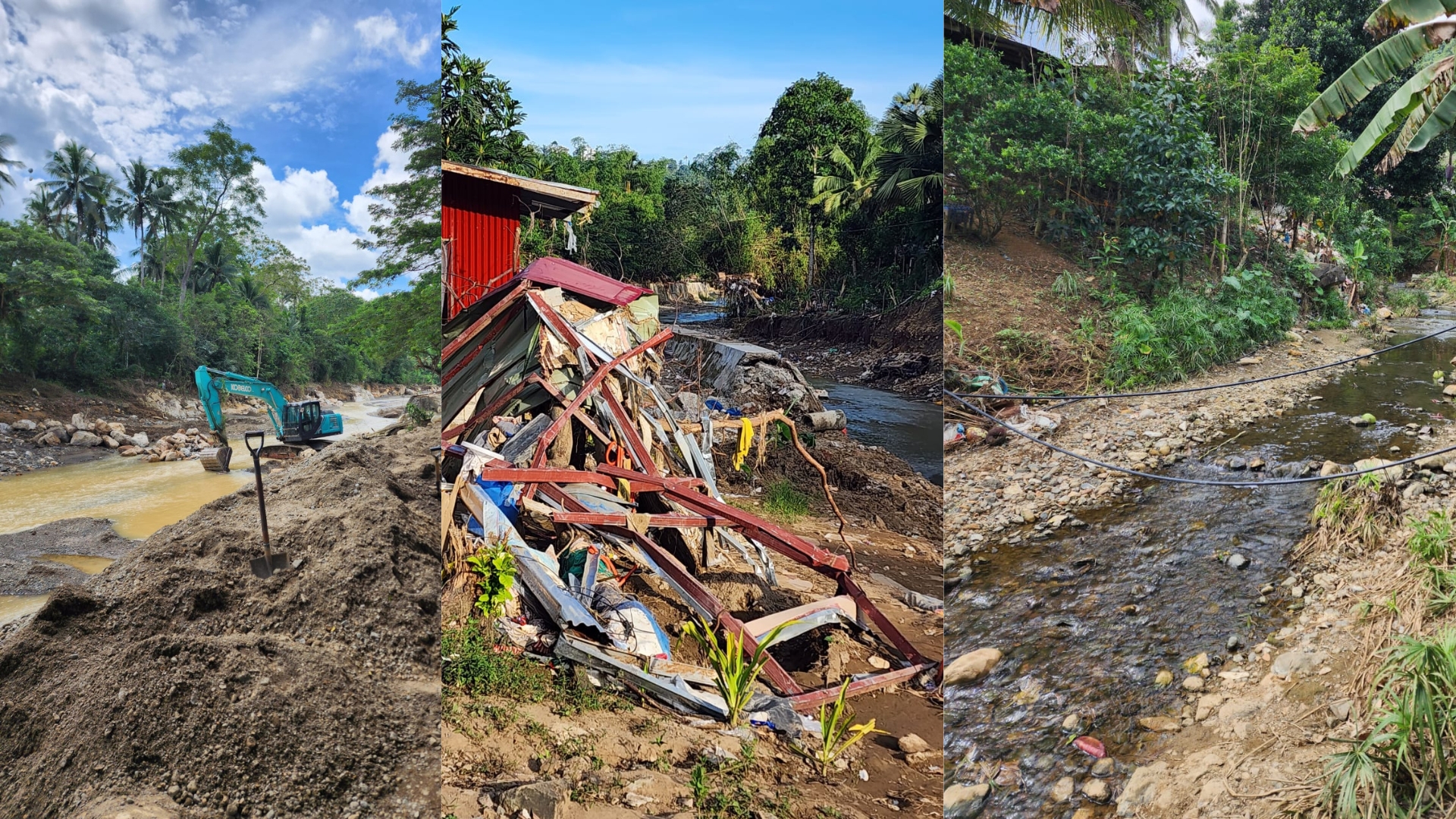
The project focused on three hard-to-reach upland barangays which are Bonbon, Malubog, and Pulangbato where many families live on low incomes and include persons with disabilities, older people, and infants. These communities faced heightened risks following the typhoon, particularly due to limited access to safe water, sanitation facilities, and temporary shelter.
Targeting the Most-At-Risk Communities
The intervention focused on three hard-to-reach upland barangays, Bonbon, Malubog, and Pulangbato, where many homes were either partially or totally damaged by the typhoon. These communities faced heightened risks due to disrupted access to safe water, sanitation facilities, and adequate shelter.
Distribution of essential WASH and non-food items was carried out from 15 to 17 December 2025. Prior to deployment, A2D mobilised response teams, procured relief supplies, and coordinated closely with Cebu City Local Government Units (LGUs). Beneficiary identification was conducted in collaboration with the City Social Welfare and Development Office (CSWDO) and the City Disaster Risk Reduction and Management Office (CDRRMO).
Households were selected based on clear vulnerability criteria. Priority was given to families whose homes were totally damaged and those with members who are persons with disabilities. This ensured that assistance reached those facing compounded risks due to both structural damage and social vulnerability.
In total, the project reached 1,200 affected households in flood-prone river and upland communities, directly benefiting an estimated 6,000 individuals.
Rapid Delivery of Essential Assistance
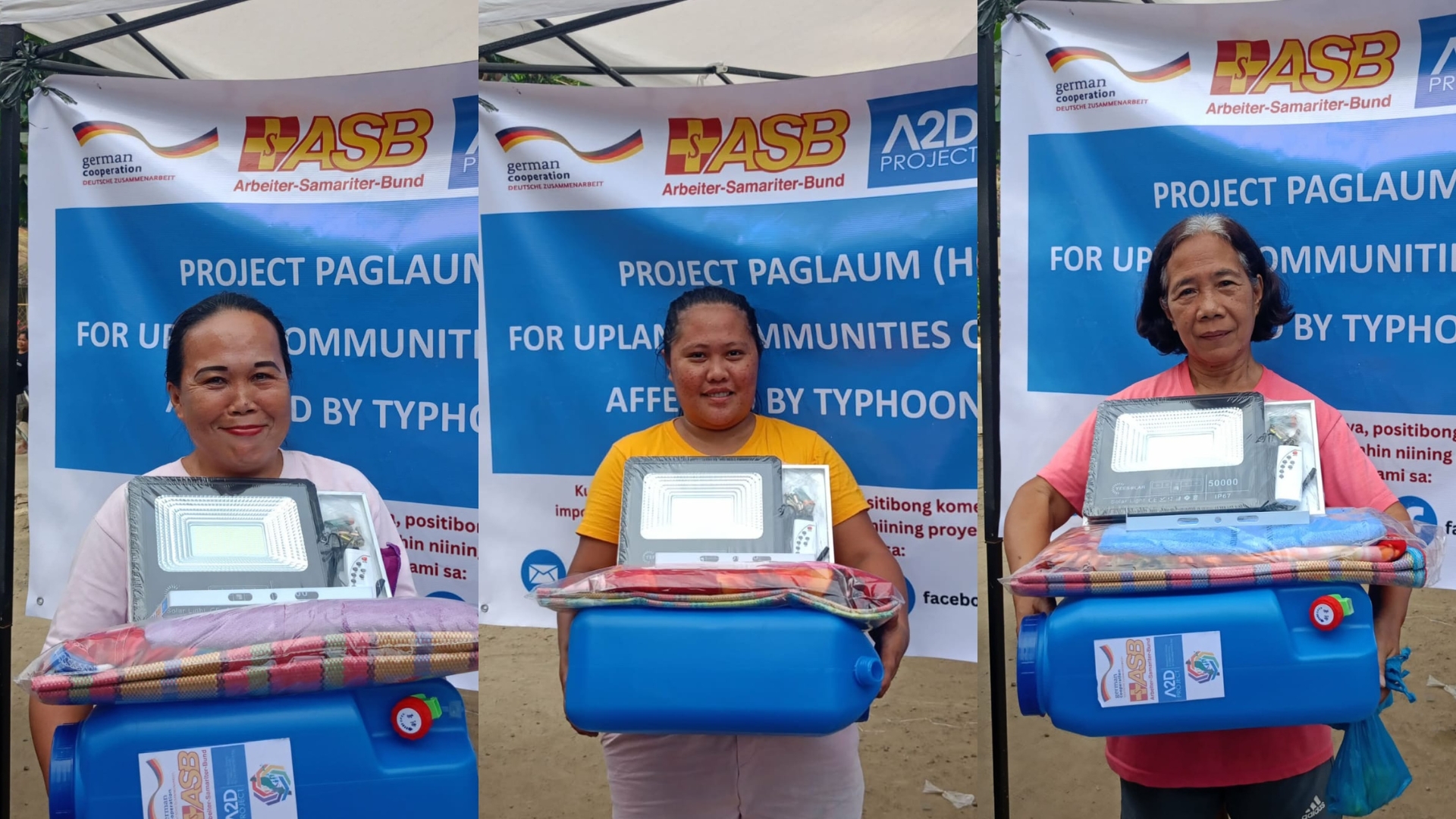
Through Project Paglaum, A2D distributed essential items to support immediate recovery and reduce health and protection risks. These included water containers, bath soap, towels, sleeping mats, blankets, and solar lamps.
Access to clean water storage and hygiene supplies was critical in preventing waterborne diseases in areas where water systems had been disrupted. Sleeping mats and blankets supported families experiencing temporary displacement, while solar lamps provided safe lighting in communities with limited or damaged electricity infrastructure.
Beyond material assistance, the distribution process itself was designed to uphold dignity and safety, particularly for persons with disabilities and other vulnerable groups.
Strengthening Inclusion Through Local Partnerships
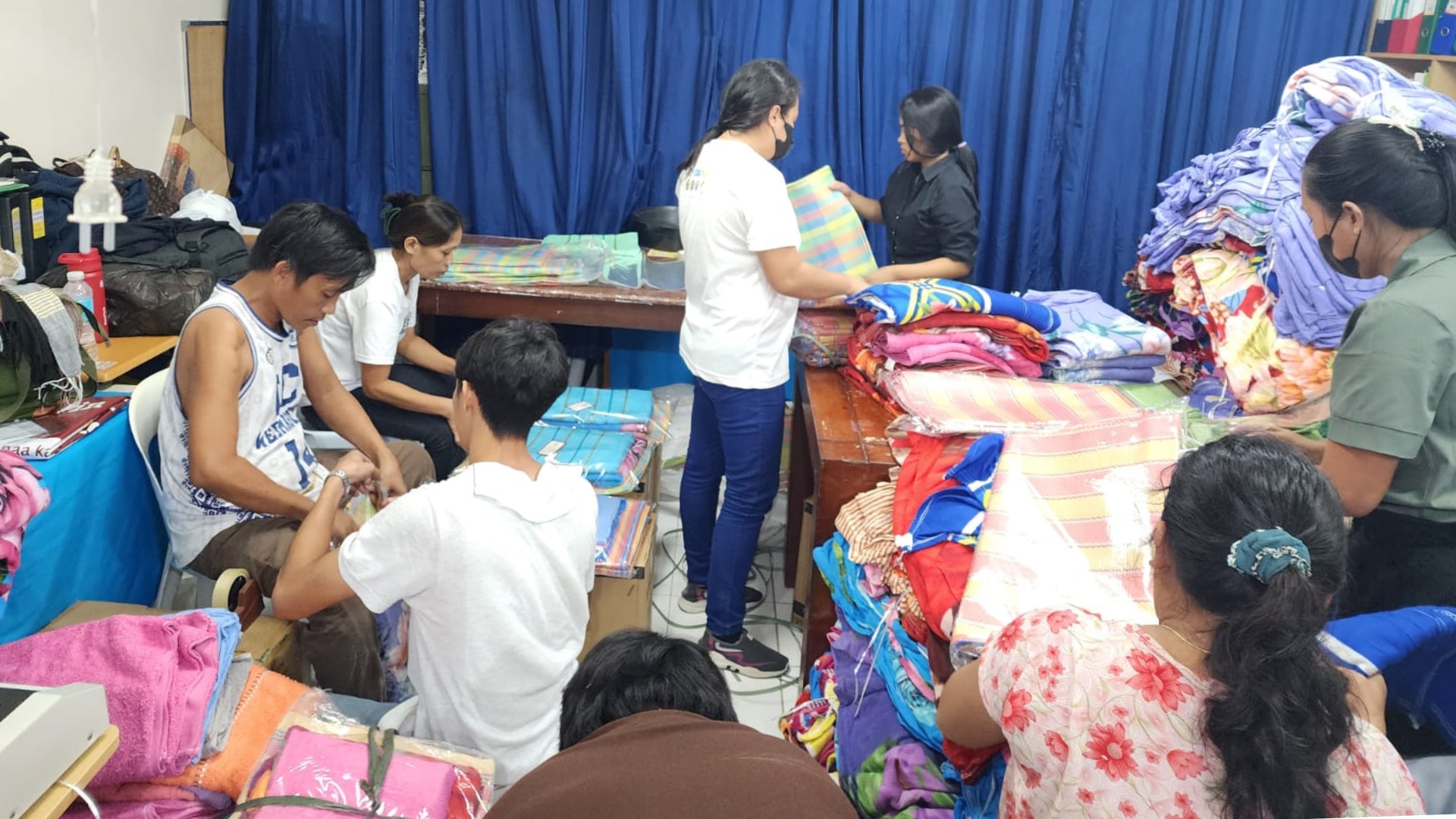
As the lead implementing organisation, A2D managed procurement, logistics, transportation, financial oversight, monitoring, and reporting. However, the response was strengthened through collaboration with the Cebu Disability-Inclusive Disaster Risk Reduction Network (CDiDRRN).
Members of CDiDRRN played an active role in packing and distributing relief items. Their involvement was critical in ensuring that distribution venues were selected with accessibility in mind. Sites were assessed to ensure that persons with disabilities and older persons could safely access assistance.
In situations where crowd management became challenging, barangay authorities deployed local tanods (community peace officers) and Barangay Health Workers (BHWs) to help maintain order and ensure a smooth and safe distribution process.
Additionally, members of Organisations of Persons with Disabilities (OPDs) engaged in A2D’s other programmes volunteered to assist with packing operations. Their participation significantly reduced preparation time and reinforced a community-led approach to emergency response.
Close coordination was maintained throughout implementation. Daily briefings were conducted with key LGU offices, including the Persons with Disabilities Affairs Office (PDAO) and the City Social Welfare and Development Services Office (CSWDSO). This ensured alignment with government mechanisms while embedding disability inclusion into the operational framework of the response.
Operational Challenges and Lessons Learned
The response was implemented in a complex operational context. Around the same period as Typhoon Tino, Cebu experienced a magnitude 7 earthquake. The overlapping disasters placed additional strain on supply chains and humanitarian resources.
One major challenge was the absence of an established emergency response operations manual. Without predefined procedures for rapid budget release and procurement, the team experienced delays during the initial mobilisation phase.
Procurement was further complicated by a shortage of relief items in the local market. With multiple humanitarian actors distributing similar assistance, competition for essential goods made sourcing supplies difficult. The lack of a pre-identified roster of emergency suppliers added to the challenge.
These experiences generated important lessons for strengthening future responses in upland and hard-to-reach areas:
- Establishing a humanitarian response operations manual would enable faster decision-making and reduce administrative delays.
- Developing a pre-qualified list of suppliers and formalising agreements through Memoranda of Understanding would help mitigate procurement bottlenecks.
- While coordination with LGUs is essential, direct site visits prior to finalising beneficiary lists and distribution plans are equally critical. Field validation allows teams to assess terrain conditions, accessibility constraints, and specific protection risks, particularly for persons with disabilities and older persons.
Beyond Relief, Restoring Hope
True to its name, Project Paglaum went beyond the provision of essential items. It demonstrated that emergency response efforts are most effective when they are locally coordinated, inclusive, and rooted in solidarity with marginalised communities.
By prioritising households with persons with disabilities and those whose homes were totally damaged, and by actively involving disability networks and OPDs in implementation, the initiative reinforced the principle that inclusion must not be an afterthought in humanitarian action.
In the aftermath of Typhoon Tino, Project Paglaum stood as a testament to the power of coordinated, disability-inclusive emergency response, bringing not only relief, but renewed hope to communities striving to rebuild.
