
A borehole is drilled. A handpump is installed. A toilet block is constructed.
On paper, these are clear signs of progress. The indicators look good: households reached, litres of clean water delivered, sanitation facilities built.
But after years working in development and humanitarian contexts, I have learned that water systems are never only about infrastructure. They are also about power, safety, dignity and about whose voices shape the decisions behind their design.
My reflections come from personal and professional experience in monitoring WASH programmes in several contexts. I had seen how development projects often measure success through infrastructure delivered, while overlooking whether that infrastructure truly works for everyone.
When I started working as Monitoring, Evaluation, Accountability and Learning Coordinator for the ECT WASH program, implemented by ASB and arche nova in 14 countries across Africa, Asia, the Middle East and Central America, my understanding has only deepened. Again and again, I see how the success of a water system is shaped long before construction begins, through decisions about location, design and governance.
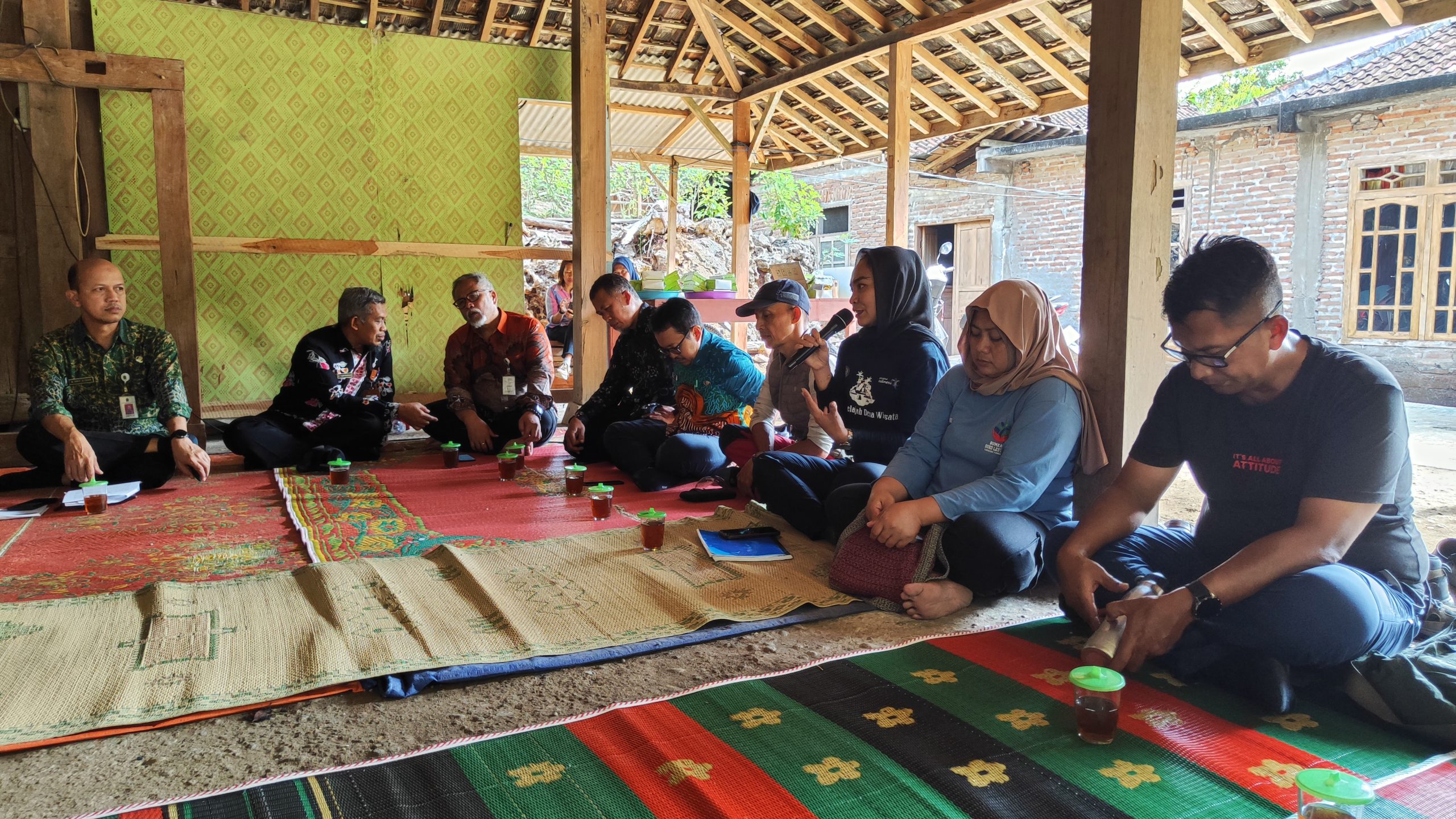
In rural Indonesia, for example, a woman with mobility challenges once spent hours each day searching for reliable water for her family. The water source was too far away, and access was unfriendly for her. When a water system construction began and involved women in managing the water point, something shifted. Women and women with disabilities began participating in decisions about water distribution and maintenance, of which these roles had traditionally been dominated by men. Access to water improved, but so did women’s confidence and influence within the community.
Thousands of kilometres away, communities in Honduras and Nicaragua face different water challenges, shaped by drought and climate uncertainty. There, local water committees play a central role in managing water resources and maintaining infrastructure. Many of these committees include women leaders who help monitor water use, organise maintenance and ensure that systems continue functioning during periods of scarcity. Their leadership illustrates how sustainable water management depends not only on engineering solutions, but also on inclusive local governance.
Schools reveal another dimension of this issue. In several African countries where the programme operates, girls have described avoiding school toilets during menstruation because facilities lacked privacy, water for washing or safe disposal options. When sanitation facilities are redesigned to include these basic considerations, such as separate spaces, adequate water, and safe disposal, girls report feeling more comfortable attending school and participating fully in class.
These experiences come from different regions, cultures and climates. Yet they all point to the same truth: water infrastructure is never neutral.
A tap, a latrine or a water point reflects the priorities and assumptions of the people who designed it. If those decisions overlook gender roles, safety concerns or mobility barriers, infrastructure may function technically while still failing the people it was meant to serve.
Over time, I have seen how participation can transform these outcomes.
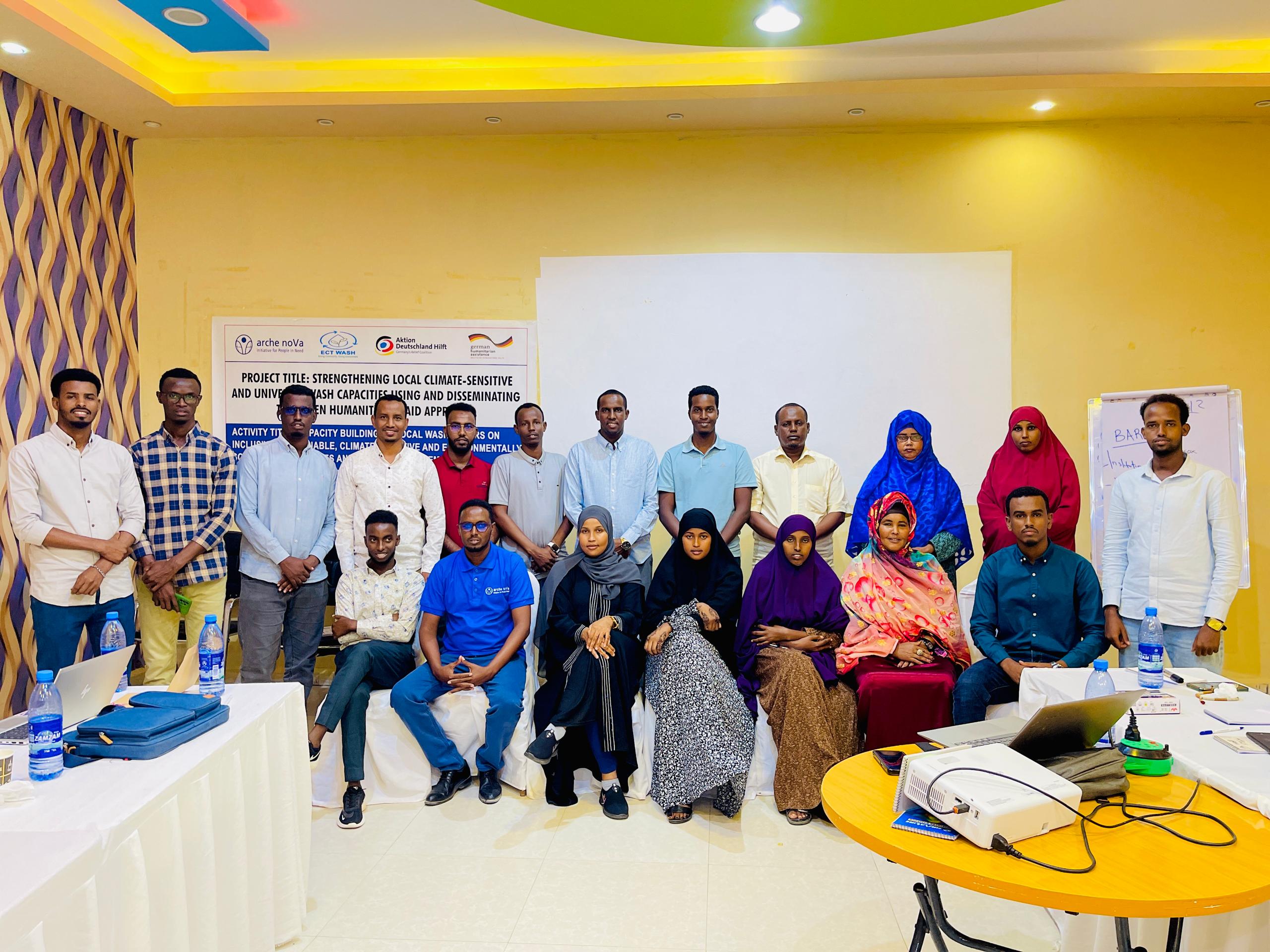
When women are invited to contribute to planning discussions, the conversation often shifts quickly from abstract technical questions to everyday realities. Women map the routes they take to collect water and explain which paths feel safe or unsafe. Girls describe what makes a sanitation facility feel private enough to use during menstruation. Persons with disabilities point out design features—such as handrails, ramps or non-slip surfaces—that determine whether a facility can be used independently. None of these insights require advanced technology. Yet they are essential for infrastructure to function in real life.
Where these perspectives shape decisions, the impact becomes visible. Water points located closer to homes reduce the hours women spend collecting water, easing unpaid care burdens and freeing time for education, rest or income-generating work. Climate-resilient systems, such as solar-powered pumps or rainwater harvesting, help communities maintain access to water even during droughts or extreme weather events. But perhaps the most important change is less visible: a shift in who holds knowledge and influence.
Too often, development and humanitarian programmes describe women and girls as “vulnerable groups.” Yet across the communities I encounter, they are among the most knowledgeable actors when it comes to water management. They understand seasonal water patterns, household consumption needs and safety risks long before external planners do.
Recognising this knowledge requires more than inviting women to participate in meetings. It means treating them as decision-makers whose insights shape how water systems are designed, financed and governed. As climate change intensifies floods, droughts and water scarcity, these questions become even more urgent. Water insecurity rarely affects everyone equally. Without deliberate attention to gender and social inclusion, climate shocks often deepen existing inequalities.
On this World Water Day, we are reminded of one lesson again and again: sustainable water systems begin with listening. Because the true measure of success is not simply whether water flows from a tap. It is whether that water can be accessed safely, with dignity, by everyone who depends on it. Water must flow, but inclusion must come first.
– This article is written by Angelina Yusridar Mustafa, the MEAL Coordinator of ECT WASH Programme
