All Programs

Implementing Humanitarian Inclusion Standards and Guidelines in Disaster Preparedness through Institutional Capacity Building (PASTI Programme)

Reviewing the need to develop a preparedness training curriculum for inclusive humanitarian response as a form of adaptation and adoption of the Humanitarian Inclusion Standards and Guidelines;Strengthen the capacity of humanitarian actors (government and…

Overview Project

DURATION

24 months (May 2021 – April 2023)

IMPLEMENTERS

This program is implemented by members of the Disability-inclusive Disaster Risk Reduction Network or DiDRRN: Arbeiter-Samariter-Bund (ASB), Christian Blind Mission e.V. (CBM), Center for Disability in Development (CDD), and Malteser International (MI), together with the International Disability Alliance (IDA). Local partners involved include:

  1. Directorate General of Village Government Development (Ditjen Bina Pemdes)
  2. Ministry of Home Affairs (Kemendagri)
  3. Center for Education and Training of the National Disaster Management Agency (Pusdiklat BNPB)
  4. Regional Disaster Management Agency (BPBD) of South Lampung Regency
  5. The Village Government of the trial location is in South Lampung Regency
  6. Organizations of Persons with Disabilities (OPDis).

LOCATIONS

Lampung, Bangladesh, MyanmarIndonesia, Bangladesh, Myanmar, Niger, Uganda, Zimbabwe, Colombia and NicaraguaLocation in Indonesia: South Lampung Regency 2 villages in South Lampung Regency

Objective

  1. Reviewing the need to develop a preparedness training curriculum for inclusive humanitarian response as a form of adaptation and adoption of the Humanitarian Inclusion Standards and Guidelines;
  2. Strengthen the capacity of humanitarian actors (government and non-government) in planning and implementing inclusive preparedness for a more effective and efficient humanitarian response;
  3. Promote the leadership and contribution of persons with disabilities and other at-risk groups in disaster preparedness and humanitarian response;
  4. Testing the capacity of disability inclusion in preparedness at the village level through the leadership of persons with disabilities and trained humanitarian actors.

Programme Output

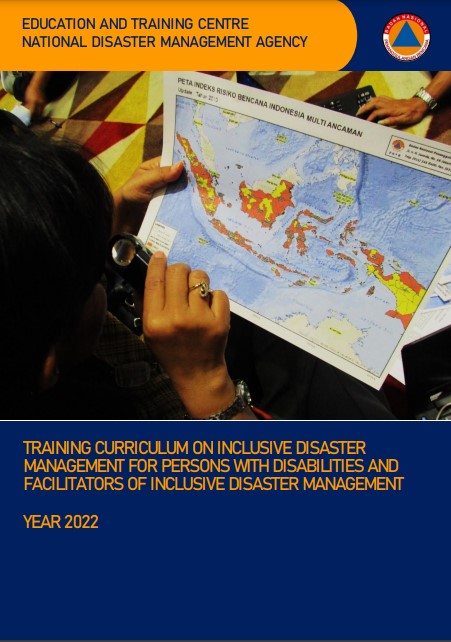
  1. Availability of a preparedness training curriculum for inclusive humanitarian response.
  2. Strengthening the capacity of humanitarian actors for humanitarian response in planning and implementing inclusive preparedness for a more effective and efficient humanitarian response.
  3. Increased leadership and contribution of persons with disabilities and other at-risk groups in disaster preparedness and humanitarian response.
  4. Identification of good practices in implementing disaster preparedness and inclusive humanitarian response at the village level..

Key Activities

  1. Compilation or enrichment of disability inclusion in curricula related to humanitarian preparedness and response with the BNPB Education and Training Center, the Directorate General of Pemdes of the Ministry of Home Affairs, OPDis, and related non-governmental organizations.
  2. OPDis assistance at the national and regional levels to be actively involved in humanitarian coordination and act as a humanitarian actor.
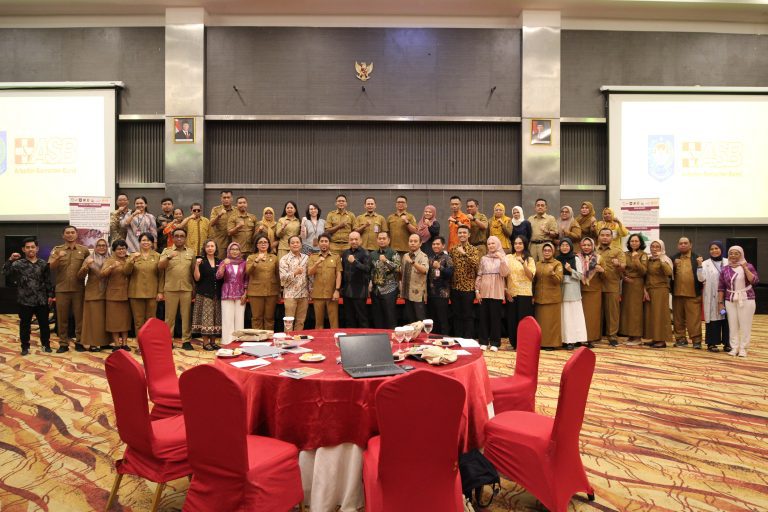
  3. Formation of pools of National and Regional Trainers.
  4. Broader training for staff of BNPB, BPBD, Directorate General of Village Government, Ministry of Home Affairs, and non-governmental organizations.
  5. Development of information, education and communication materials relevant to the program.
  6. Trials of implementing inclusive humanitarian preparedness and response at the village level, including capacity building, studies, planning and program development as well as implementing activities with a multi-sectoral approach.

Related News & Stories