
Background
The Seger Waras Programme (ECT WASH Programme in Indonesia) has actively contributed to Indonesia’s efforts to strengthen Anticipatory Action (AA) by participating in the National AA Working Group. This engagement began after joining a national facilitator training on anticipatory action, which later evolved into a collaborative initiative involving government institutions, humanitarian organisations, civil society organisations, and technical experts. As discussions progressed, stakeholders recognised the need to develop a national AA guideline to establish a common framework for anticipatory action in Indonesia. Within this process, the Seger Waras Programme as the representative of ASB S-SEA in the working group, positioned itself as a strong advocate for disability inclusion, ensuring that the perspectives and needs of persons with disabilities were reflected throughout the development of the guideline rather than being treated as an additional consideration.
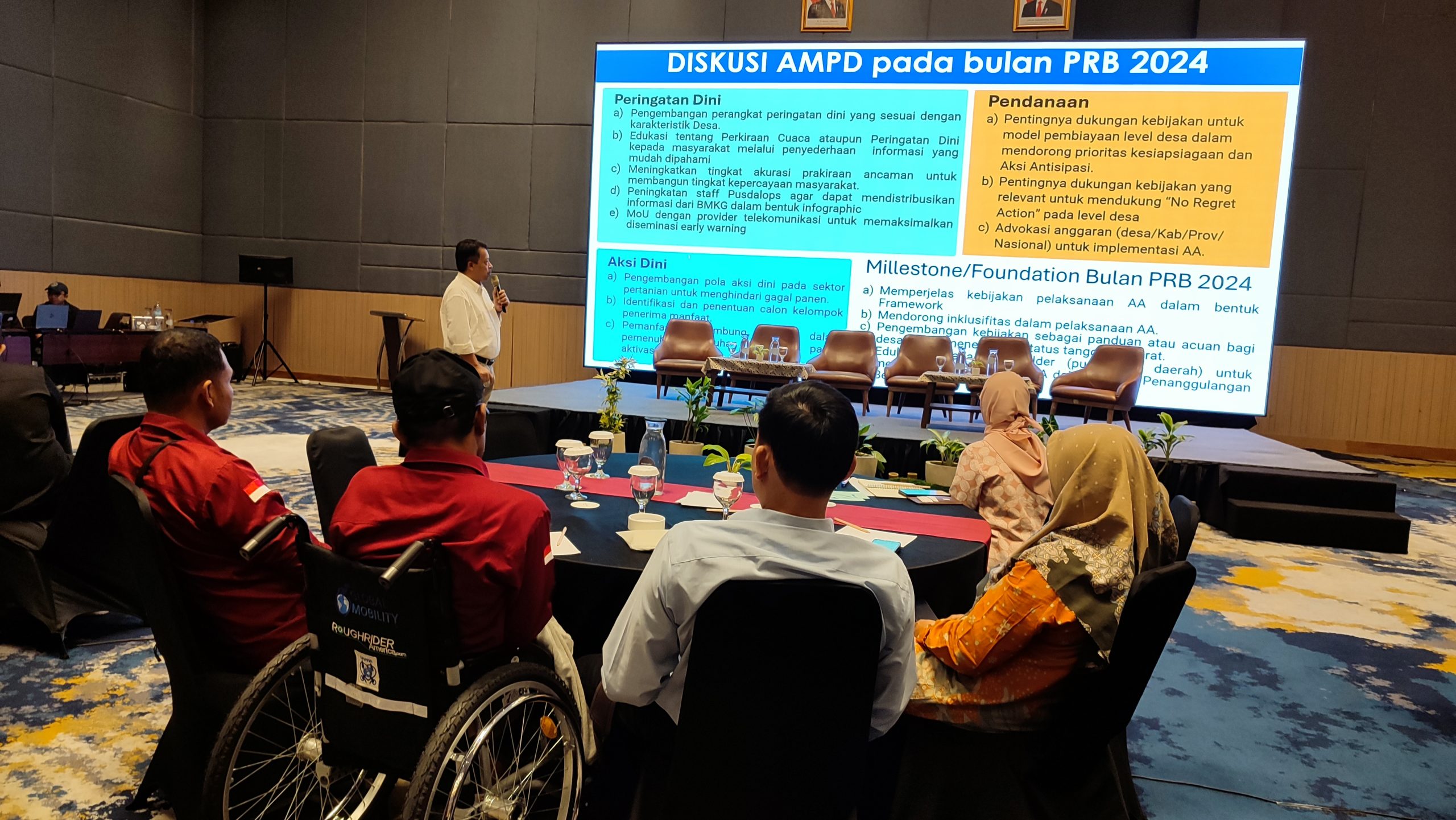
As an active member of the National AA Working Group, represented by Fabio Dinasti – the Project Coordinator, the Seger Waras Programme contributed to a series of collaborative activities aimed at strengthening Indonesia’s anticipatory action system. These included capacity-building initiatives for facilitators, coordination among humanitarian organisations and government agencies, technical discussions on early warning information, trigger mechanisms, early actions, and financing arrangements, as well as the drafting of the National AA Guideline. Throughout these processes, the programme consistently promoted meaningful participation of Organisations of Persons with Disabilities (OPDs) by facilitating their involvement in consultations, national dialogues, and technical discussions. Rather than limiting participation to representation alone, the programme encouraged OPDs to provide substantive inputs that influenced policy content and ensured that accessibility, participation, protection, and reasonable accommodation became integral principles within the national guideline.
Key Lessons Learned
Challenges:
The development of a nationally endorsed guideline required intensive coordination among institutions with different mandates, priorities, technical expertise, and policy perspectives. Building a shared understanding of anticipatory action across ministries, humanitarian organisations, academia, and development partners proved to be a complex and time-consuming process. At the same time, mainstreaming disability inclusion required a significant shift in mindset. Meaningful participation could not be achieved merely by inviting representatives of persons with disabilities to meetings; it required accessible communication, reasonable accommodation, inclusive facilitation, and sufficient opportunities for participants to contribute to policy discussions on an equal basis. Another challenge was ensuring that lessons from local implementation could be translated into practical national recommendations while keeping national policies relevant and applicable to diverse local contexts. These complexities highlighted the importance of continuous coordination, evidence-based discussions, and sustained collaboration throughout the guideline development process.
Successes:
Although the long-term impact of the National AA Guideline will become more evident after its full implementation, several important achievements have already emerged during the development process. Disability inclusion has been successfully positioned as a core principle within discussions on anticipatory action rather than as a separate thematic issue. Through sustained advocacy, OPDs were meaningfully involved in national dialogues and technical consultations, enabling their experiences and recommendations to influence the content of the guideline. The collaborative process also strengthened trust and cooperation among government institutions, humanitarian organisations, and civil society, resulting in broader recognition of inclusive approaches within anticipatory action planning. Furthermore, ASB’s active participation enabled valuable local implementation experiences to inform national policy discussions, demonstrating how community-based evidence can strengthen policy development and encourage greater ownership among stakeholders.
Lessons Learned:
The experience demonstrated that meaningful disability inclusion in national policy development cannot be achieved through advocacy by a single organisation. Instead, it requires sustained collaboration among government institutions, humanitarian actors, civil society organisations, and organisations representing persons with disabilities. Engaging OPDs from the earliest stages of planning through decision-making significantly improves the relevance and inclusiveness of policy outcomes.
Another important lesson is that practical evidence from local implementation provides a powerful foundation for influencing national policy when systematically documented and communicated through collaborative platforms. The process also showed that consistent advocacy, supported by technical evidence and practical examples, can gradually influence institutional attitudes and encourage other stakeholders to adopt more inclusive approaches. Beyond contributing to national policy, participation in the Working Group also strengthened ASB’s organisational capacity in policy advocacy, strategic partnership building, and the integration of disability-inclusive anticipatory action into programme implementation at both national and local levels.
Recommendations
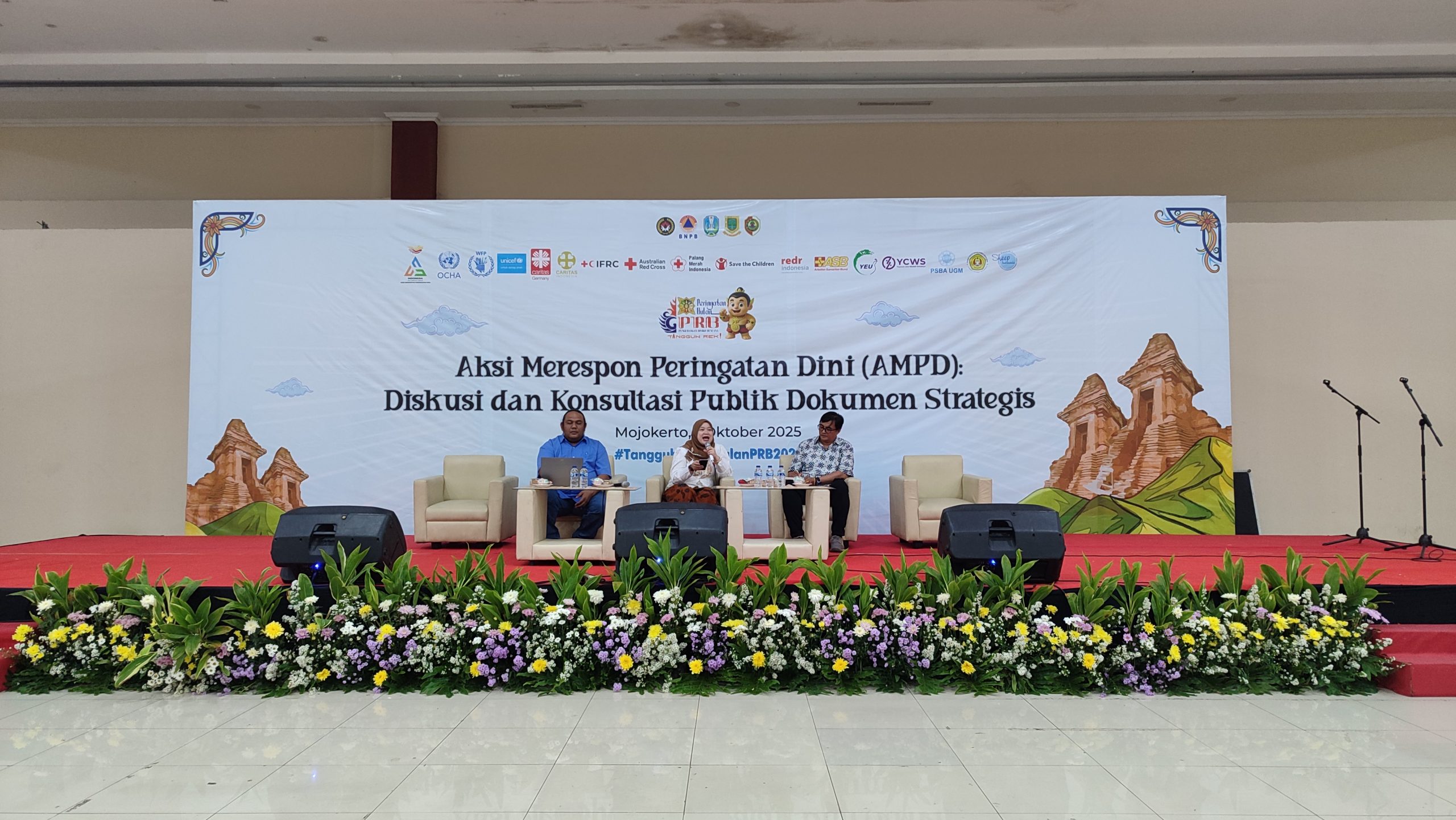
To sustain the progress achieved through the development of the National AA Guideline, continued investment in institutional capacity is essential. Organisations involved in anticipatory action should strengthen internal understanding of the concept to ensure consistent implementation across technical and operational teams. Multi-stakeholder coordination mechanisms should continue to be maintained and strengthened, allowing stakeholders to regularly exchange experiences, harmonise approaches, and jointly address emerging challenges.
Future policy development should also institutionalise the participation of OPDs by involving them not only as consultation participants but also as strategic contributors in the working group support team and actively participate in decision-making processes. Finally, documenting implementation experiences and generating evidence from local practice should remain a priority, enabling future revisions of the guideline to reflect evolving lessons, strengthen inclusive approaches, and ensure anticipatory action remains responsive to the needs of the most at-risk communities.
