All Programs

(1803) Strengthening Local Capacities for Inclusive Early Recovery Post-earthquake and Tsunami in Central Sulawesi (1804) Inclusive Emergency Response for Earthquake and Tsunami Affected People in Central Sulawesi Project

(1803) General objective: Contribute to inclusive recovery post-earthquake and tsunami in Central SulawesiSpecific objective:Support early recovery of the affected community including children and adults through the improvement of WASH facilities and physical…

Overview Project

BUDGET

(1803) Total Budget: EUR 353.258 Funds ADH: EUR 316.278

DURATION

(1803) 1 March 2019–30 November 2019 (9 months) (1804) October 2018 – February 2019

DONOR

Aktion Deutschland Hilft (ADH) Suisse Solidar Swiss Solidarity

IMPLEMENTERS

Ministry of Home Affairs Ministry of Foreign Affairs The National Disaster Management Agency

LOCATIONS

Central SulawesiPalu, Sigi, Donggala, Central Sulawesi

Objective

(1803) General objective: Contribute to inclusive recovery post-earthquake and tsunami in Central Sulawesi

Specific objective:

  1. Support early recovery of the affected community including children and adults through the improvement of WASH facilities and physical accessibility in key public facilities.
  2. Support early livelihood recovery through cash for works in the provision of WASH assistance and outreach and training for community
  3. Strengthen communities capacities for inclusive disaster preparedness and resilience building
  4. To support government with data and information on ‘how to’ of planning and implementation of inclusive recovery (1804) The project objective is to contribute to inclusive emergency relief of the most affected people by earthquake, tsunami and liquefaction in Palu, Sigi and Donggala Districts (Central Sulawesi). The outcomes include: (1) affected people use improved WASH facilities; and (2) local organisations are prepared to respond to humanitarian crisis.

Result / Programme Outcome

(1803)

1.1. 10,000 community members in 20 villages, benefited from improved and accessible WASH facilities including from latrines with universal design and hygiene promotion. 1.2. 1,000 households received hygiene kits distribution with specific consideration of women, persons with disabilities and older persons 1.3. 50 key public facilities (20 schools, 10 health community centres and 20 village offices) equipped with latrines facilities with universal design and improved physical accessibility

  1. 400 community members received cash for work assistance to support livelihood recovery through latrines and physical accessibility construction works as well as through their involvement in community disaster preparedness and resilience training and outreach 3.1. Community-based committee for disaster preparedness and resilience strengthened in 20 villages 3.2. 10.000 community members receiving outreach on WASH, disaster preparedness and resilience building 3.3. 300 primary school teachers skilled to conduct disaster preparedness learning in their schools and equipped media to support the learning sessions 3.4. 27,000 students are able to practice disaster preparedness knowledge and skills through school evacuation drill 4.1. 5 local disabled people organisations (DPOs) with at least 20 personnel capacitated to support the project and government in delivering inclusive disaster preparedness and resilience building- related activities within early recovery context at community and school settings 4.2. 30 government and non-government stakeholder representatives working on recovery for Central Sulawesi received relevant data and information to feed their recovery plan and works (1804)
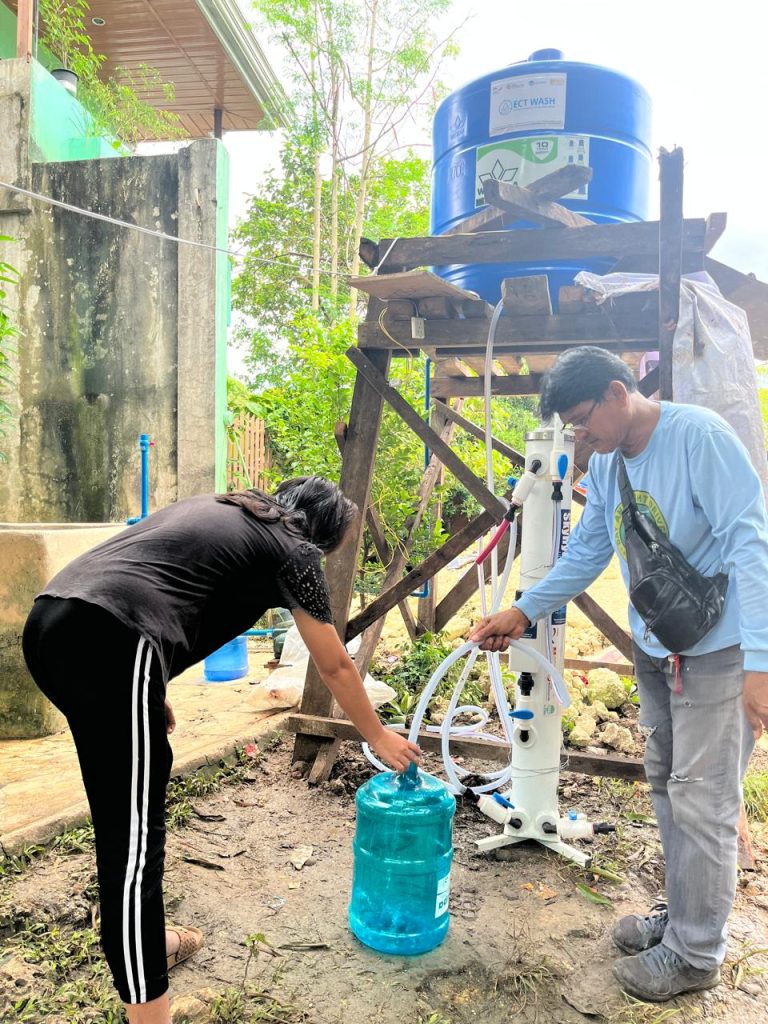
  2. Core Humanitarian Standard (CHS) The review shows that the project satisfactorily performs appropriate and relevant humanitarian responses. Whereas water and sanitation become the most priority needs of the IDPs beside food and shelter, the project endorses water provision through the SkyHydrant installation where people can drink instantly, and the accessible latrines. The project is also likely to succeed in undertaking humanitarian response based on communication, participation and feedback. The responses are considered effective and timely, strengthen local capacities and avoid negative effects, and are coordinated and complementary. However the project’s beneficiaries are aware of their space to submit complaints, but since they have no reason to complain yet, the team is unable to review the effectiveness of the project's complaint mechanism. The project provides a hotline service number but is likely not recognized widely.
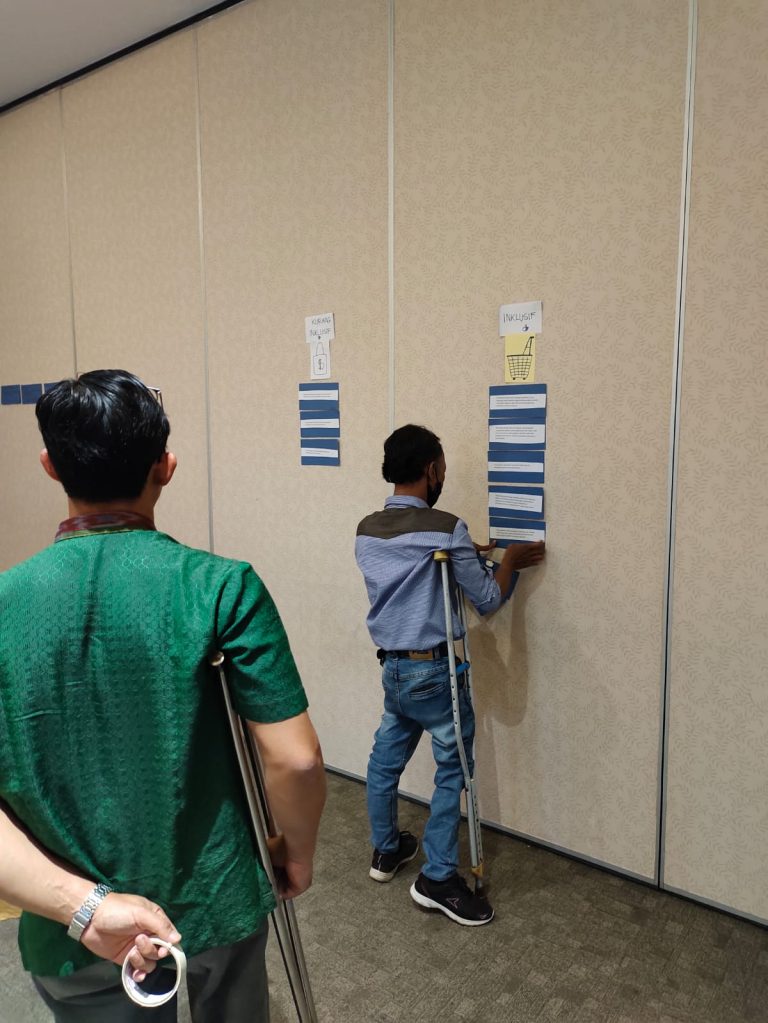
  3. Humanitarian Inclusion Standard (HIS) The community (project’s beneficiaries) consider that the project has given safe and equitable access to older people and people with disabilities, as well they are not negatively affected, are more prepared and resilient, and are less at risk. However, as any of the respondents are not the older people and people with disabilities, they are unsure whether the project ensures the older people and people with disabilities know their rights and entitlements, and participate in decisions that affect their lives.
  4. Local organizations (Pokja OPDis Pasigala) performance The Pokja Pasigala’s staffs positively responds that the project has significantly improved their personal capacity and self-confidence. They think the project is well managed and in fact support them to well perform in the day-to-day implementation of activities. The project is considered to effectively achieve its objectives, doing a relief service with a special attention to the most-at-risk people. However, its effectiveness to their organization is still arguing given the fact that they are not originally addressing issues as the project does.

Key Activities

(1803) 1.1. Provision of accessible latrines and hygiene promotion in key public facilities in 20 villages (school, health centres and village government offices) 1.2. Hygiene kit distribution to 1.000 households 1.3.Improvement of physical accessibility in 20 schools, 20 community health centres and 10 village government offices

2.1.Training on safer construction for local builders, community-based committee members and schools 2.2. Cash for work for provision of WASH assistance and improvement of physical accessibility in community and school settings 2.3. Cash for work for community disaster preparedness and resilience outreach and training

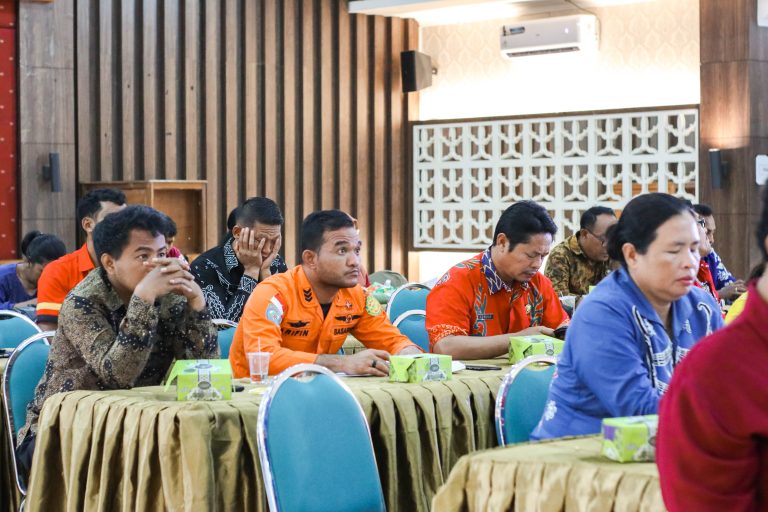
3.1. Establishment and capacity building of community-based committee/forum to prepare their involvement in the design, implementation, monitoring and evaluation of project activities 3.2. Community planning for disaster preparedness and resilience building based on participatory hazards, vulnerability and capacity assessment 3.3. Capacity building through outreach and training activities on inclusion, accessibility, WASH (provision, installation and promotion), earthquake and tsunami safety procedures (including risk assessment and practical mitigation measures) 3.4. ToT for 300 teachers on practical disaster preparedness 3.5. Production of IEC materials to support community and schools outreach and training activities 3.6. School and community evacuation drills

4.1. Strengthen partnership with local DPOs with capacity transfer through training and mentoring throughout the project implementation 4.2. Facilitation of local DPOs to network and coordinate with government and non-government actors working for recovery in Central Sulawesi 4.3. Socialisation and consultation with the affected community and community leaders about the project and activities and their roles 4.4. Collection and dissemination of data and information related to inclusive recovery needs and gaps, and good practices 4.5. Developing, strengthening and implementing relevant participatory feedback mechanisms as part of monitoring, evaluation and learning activities 4.6. Active involvement in multi-stakeholder and bilateral coordination meetings to raise awareness and influence policy and programme


Featured Story of Change

Related News & Stories